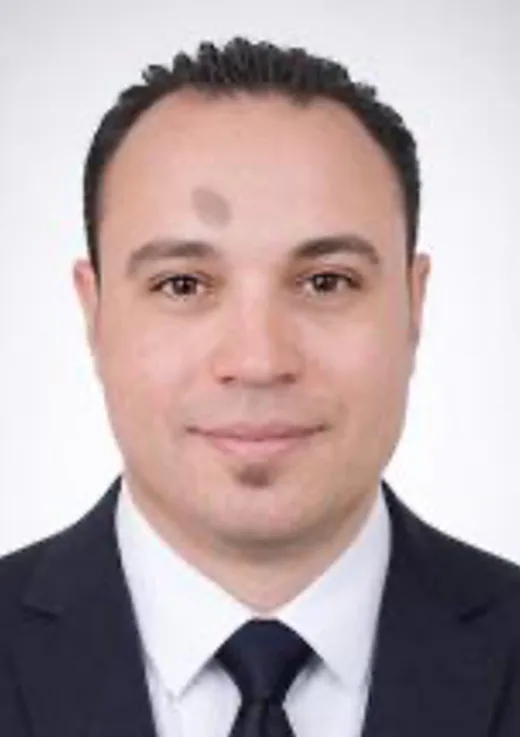
Ahmed Ramdan
Nurse
Medical support
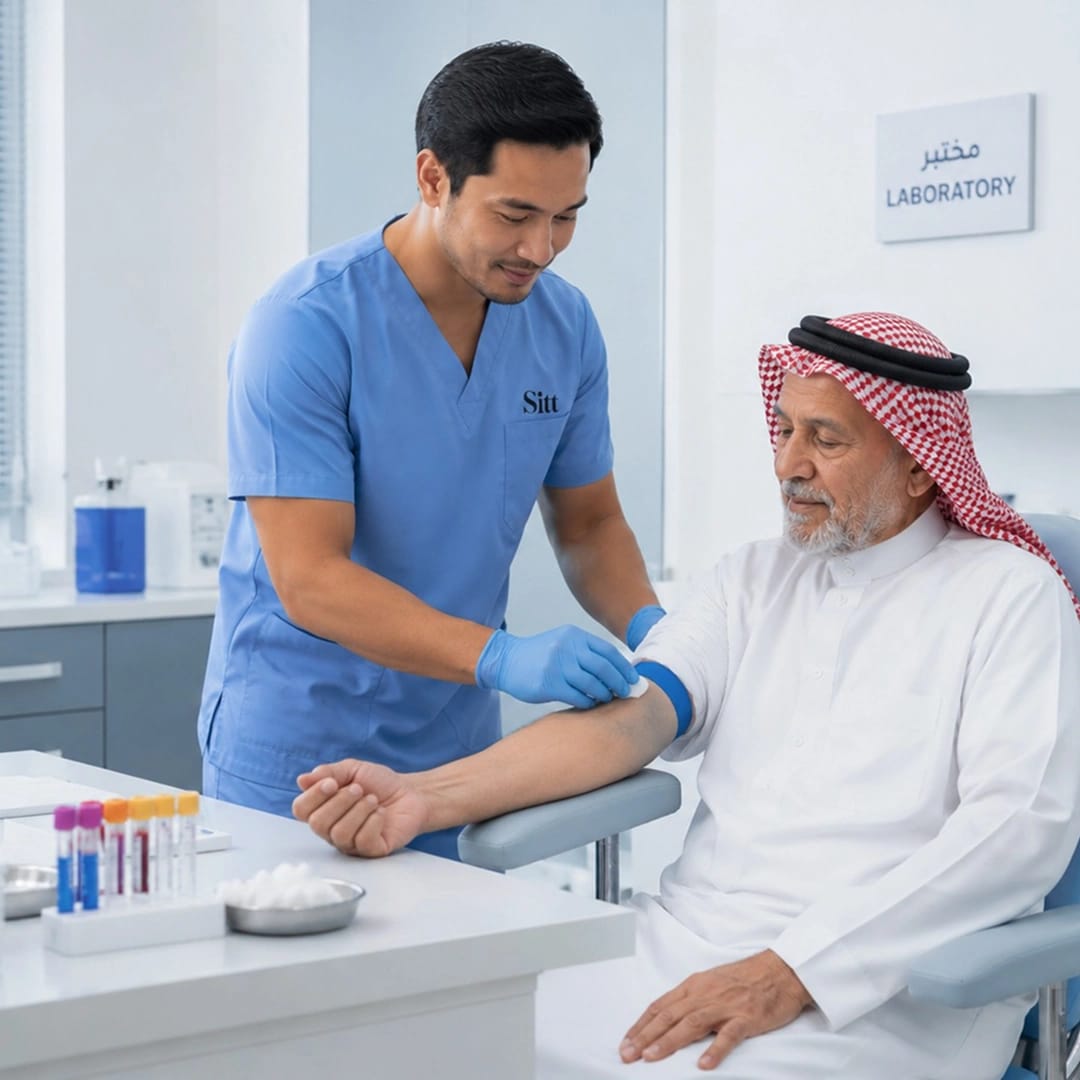
Tests collected in the comfort of your home.
From the knock at the door to the report landing in your inbox.
Complete blood count, lipid profile, HbA1c, liver and kidney function, thyroid, vitamin D and B12, hormones and the routine screening panels.
Sealed single-use needles and tubes, opened in front of you, and a sharps container that leaves with the phlebotomist rather than staying in your bin.
Samples are labelled at your side, sealed, and carried in temperature-controlled transport within the stability window each test requires.
Processing happens at accredited laboratories on the same analysers a hospital would use. Your report names the lab that ran it.
A digital report with reference ranges and flagged values, sent to you and, on your instruction, directly to your treating physician.
Older patients, children, fragile veins and existing lines. Our phlebotomists are assessed on exactly these cases before they ever visit a home.
Home phlebotomy is a narrow skill done well or badly, so we recruit for it specifically instead of sending whoever happens to be free.
Nurse
The answers families ask for most before their first booking.
Send us whatever you have. Many routine panels can be booked directly, while some tests require a physician’s request before a laboratory will process them. Our coordinator will tell you which category your tests fall into before you commit to anything, so you are never booked for a visit that cannot go ahead.
Most routine panels report the same day or the next morning, depending on when the sample reaches the laboratory. Specialised assays take longer — some are sent to reference laboratories and take several days. You are told the expected turnaround for your specific tests when you book, not after.
Yes, provided the handling is right, which is the entire discipline of home collection. Tubes are labelled at your side rather than later, filled in the correct order, inverted the correct number of times, and transported at the temperature each test requires within its stability window. The analysis then happens on the same accredited laboratory equipment your sample would have met anyway. Where a test genuinely cannot tolerate transport, we tell you it needs to be done on site.
That is much of what we do. Older patients on blood thinners, children, people who are dehydrated, and patients with existing cannulas or ports all make a draw harder. Our phlebotomists are assessed on paediatric and geriatric technique before they work in homes, and if two attempts fail we stop, rather than continuing until something bruises.
We run early-morning slots specifically for them, so the fast ends with breakfast rather than halfway through the day. When you book we confirm exactly how many hours are required and whether water and regular medication are allowed, because the answer differs by test.
Yes, and it is worth doing. Give us your physician’s name and contact when you book and the report goes to them at the same time it goes to you, so the follow-up conversation happens without you having to forward anything.
Available at home across all three of our service areas. Outside them? Message us — we cover surrounding governorates on request.