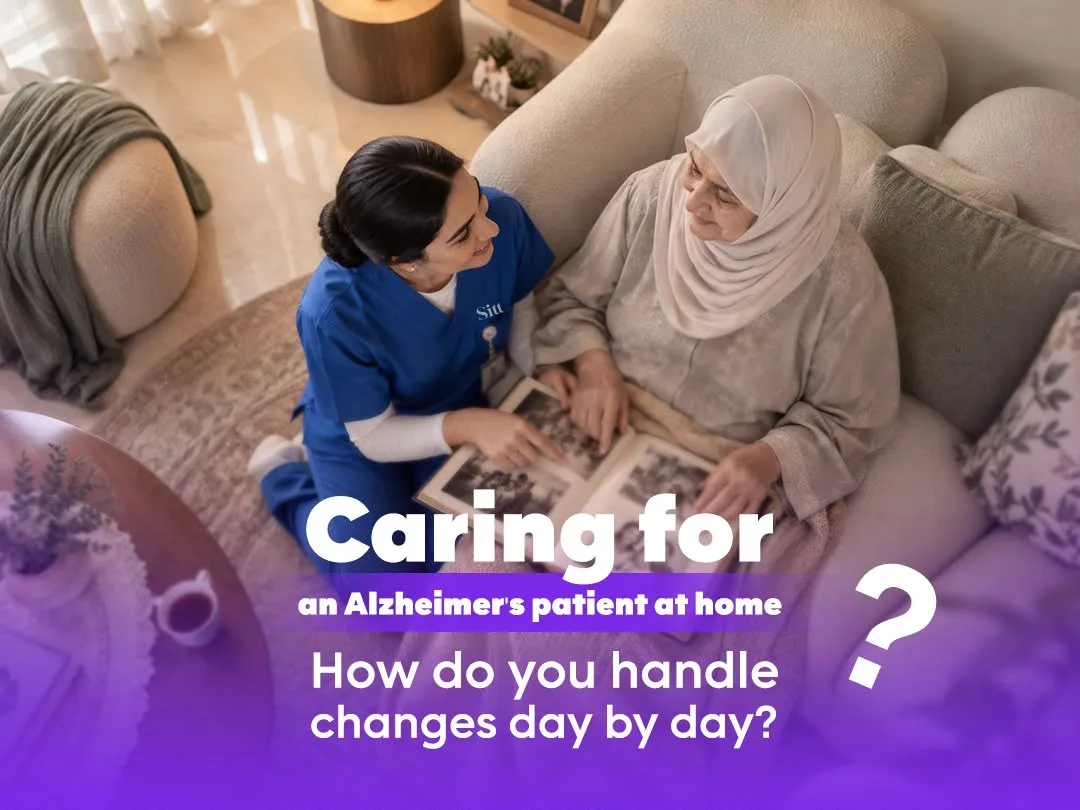
The hardest part of caring for someone with Alzheimer’s isn’t the physical side. It’s the emotional side. You watch someone you love forget your name, ask you the same question ten times, or not recognize the home they lived in their whole life. Those feelings are real and exhausting, and the first step is to acknowledge them instead of pushing them away.
This article is part of our complete guide to home care for the elderly, and here we focus on caring for a person with Alzheimer’s at home.
What does a person with Alzheimer’s really need at home?
More than anything, they need a stable, familiar environment. Sudden changes, loud sounds and lots of new faces cause clear stress and confusion. That’s why a steady daily routine isn’t a luxury. It’s a core part of their emotional comfort.
- The same meal, sleep and bathing times every day.
- Their belongings kept in their usual places.
- Soft lighting and a reasonable TV volume.
- A small number of people they deal with regularly.
How to deal with an Alzheimer’s patient: 5 rules to make your day easier
Forgetting in Alzheimer’s isn’t like ordinary forgetting, and correcting them directly usually adds to their frustration. Instead of saying, "No, I told you a minute ago," answer calmly as if it’s the first time, even if they’ve asked ten times.
- Don’t correct every small mistake. Their peace of mind matters more than accurate details.
- Use short, clear sentences. Long sentences confuse them.
- Offer a simple choice. "Would you like tea or coffee?" works better than open-ended questions.
- Don’t argue. If they say something wrong that does no harm, go along with it instead of confronting them.
- Smile and speak in a calm tone. They pick up on your feelings even when they don’t follow the words.
Why does a person with Alzheimer’s scream?
Screaming is one of the things that frightens and exhausts families the most, but it’s usually not a "personality trait" or stubbornness. A person with Alzheimer’s loses the ability to express themselves in words, so they express themselves through sound. Common causes include:
- Pain or illness they can’t describe, such as a urinary tract infection, a toothache or constipation.
- Hunger, thirst, or needing the bathroom.
- Fear and confusion: feeling like they’re in a strange place, or not recognizing the faces around them.
- Overstimulation: noise, too many visitors, or a sudden change in routine.
- Sundowning: restlessness and confusion that increase toward the end of the day, around sunset.
- A new medication, or lack of sleep.
What should you do? Stay calm first, speak in a low voice, and check the physical causes before anything else (hunger, bathroom, pain). If the screaming is new or suddenly gets worse, see the doctor, because it can be a sign of a medical problem that can be treated.
Alzheimer’s behaviors: what’s normal and what needs attention?
Behaviors change as the disease progresses. The most common ones are:
- Repeating the same question or story.
- Wandering: walking with no purpose, or trying to leave the house.
- Suspicion and accusations: saying someone stole their things. This comes from memory loss, not bad intentions.
- Irritability and aggression: usually a reaction to fear, pain or frustration.
- Reversed sleep: sleeping during the day and staying awake at night.
- Refusing to bathe or change clothes: usually because of fear or embarrassment.
- Seeing or hearing things that aren’t there (hallucinations) in some later stages.
If a change in behavior is sudden or severe, don’t wait. Take it to their treating doctor.
Making the home safe for a person with Alzheimer’s
As the condition progresses, the risk of wandering and falling goes up:
- Add extra locks to exterior doors, placed where they can’t easily reach.
- Remove loose furniture and rugs they could trip on.
- Make sure hallways and the bathroom are well lit.
- Put pictures or labels on room doors.
- Hide sharp tools, cleaning products and medications.
- Have them wear a bracelet with their name and a contact number.
When do you need home care for seniors?
At first, many families take on everything themselves, and that’s understandable and comes from love. But as the condition advances, the need goes beyond what one person can handle, especially if you need to watch them almost constantly. Signs that you need help:
- You can no longer leave them alone, even for a few minutes.
- You feel constant exhaustion or stress.
- They need nursing care (medication, wounds, injections).
- Nights have become hard because of their poor sleep.
At Sitt, we provide home care for seniors in Riyadh, Al-Kharj and Al-Muzahmiyya, with verified, screened caregivers and nurses licensed by the Saudi Commission for Health Specialties. Our team coordinates suitable options for you, and you’ll know the price in writing before you book.
Take care of yourself while you care for them
This is a point few people mention. Caring for someone with Alzheimer’s is daily effort, and neglecting your own rest leads to real exhaustion (caregiver burnout). Take breaks, ask for help without guilt, and remember that looking after yourself is part of looking after them, not a contradiction.
Looking for Alzheimer’s care in Riyadh?
Reach out to the Sitt team on WhatsApp, and we’ll help you assess exactly what level of care is needed and recommend the best option for you.
Last updated 5 October 2026
All care guides