There is a moment almost every family reaches: when you realise your father or mother can no longer do what they used to do on their own. That moment brings a mix of feelings — fear, uncertainty, and sometimes guilt that you can’t be with them all the time because of work, your own home or your children.
That feeling is completely normal, and it doesn’t mean you are falling short. It simply means the time has come to think about extra support — and that is exactly where home care for the elderly comes in.
We’ll walk through it with you step by step: what home care actually is, the different types, when you genuinely need it, and how to choose the right person for the most important person in your life.
Why has home care become the first choice for so many families?
A few years ago the options were limited: either the family carried everything on its own, or a care home. Today the picture has changed. There is now a middle option that preserves a parent’s dignity while they stay in their own home, surrounded by their belongings and memories, with a qualified person helping with their daily or health needs. This matters a great deal in our culture, because parents staying at home, close to their family, has an emotional value that no care home can replace, however well equipped it is.
Types of home care for the elderly
Not every older person needs the same kind of care. The need depends on their health and on how independent they still are.
Daily care and companionship
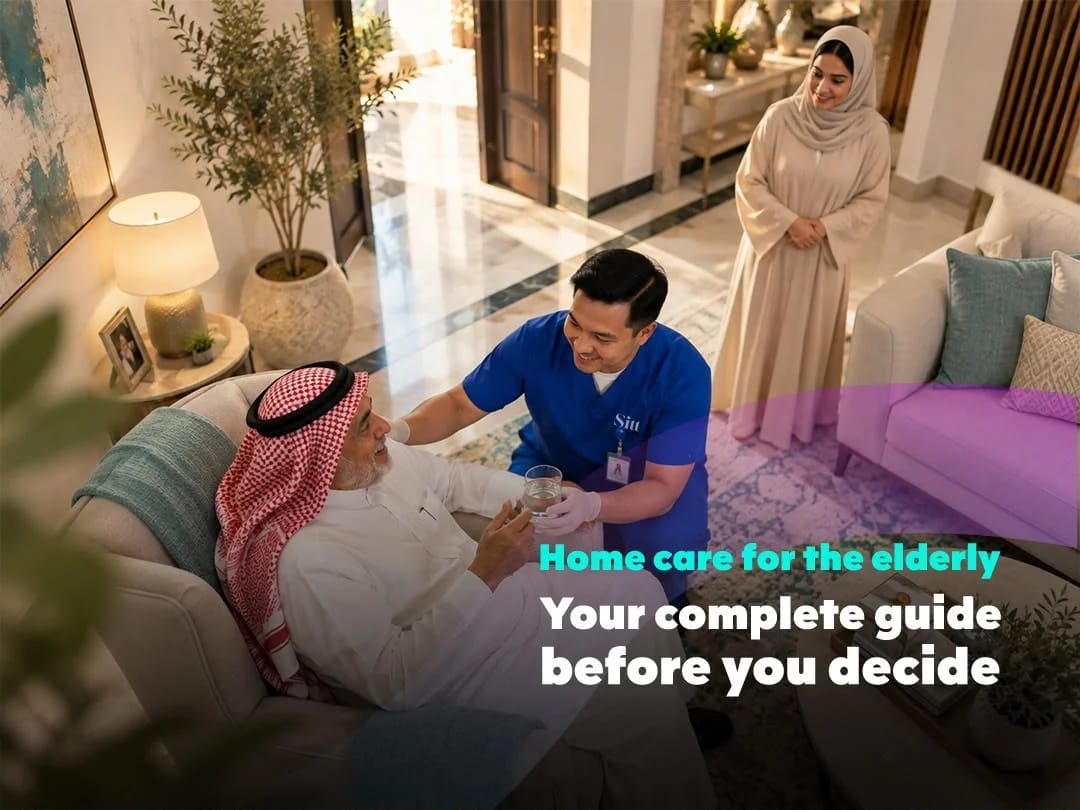
This is the simplest form: someone helps the older person with ordinary daily things — meals, moving around the house, accompanying them on errands, and simply sitting with them so they don’t feel alone. For many older people who are still physically independent but need company and light supervision, this kind of care is a perfect fit.
Specialised health care
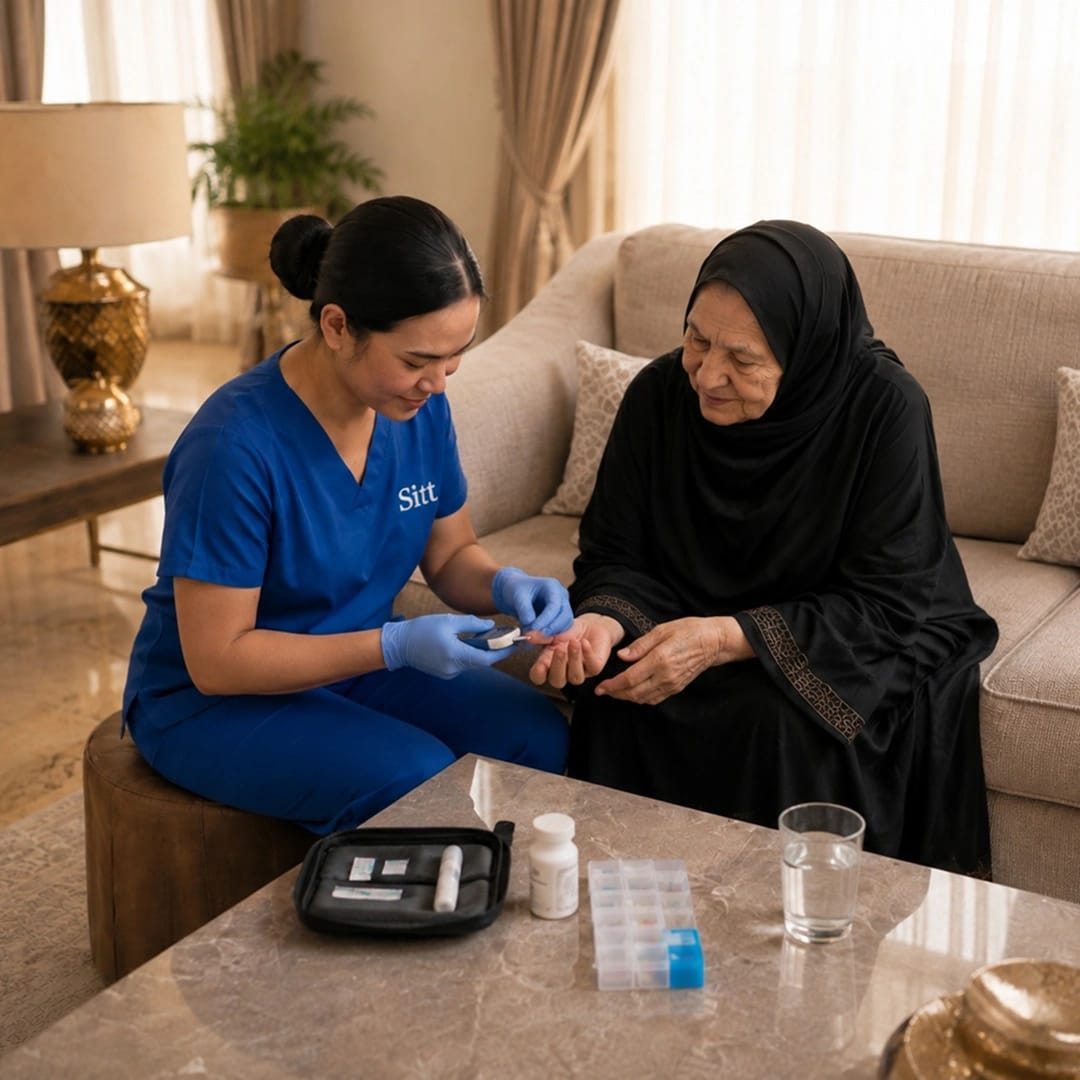
This is a different matter. When there is a health condition that needs close monitoring — regular blood pressure and blood sugar checks, medication given on schedule, or caring for a wound after an operation — what you need is specialised home nursing, not just companionship.
Care for specific conditions
Some conditions need an entirely different approach from general care:
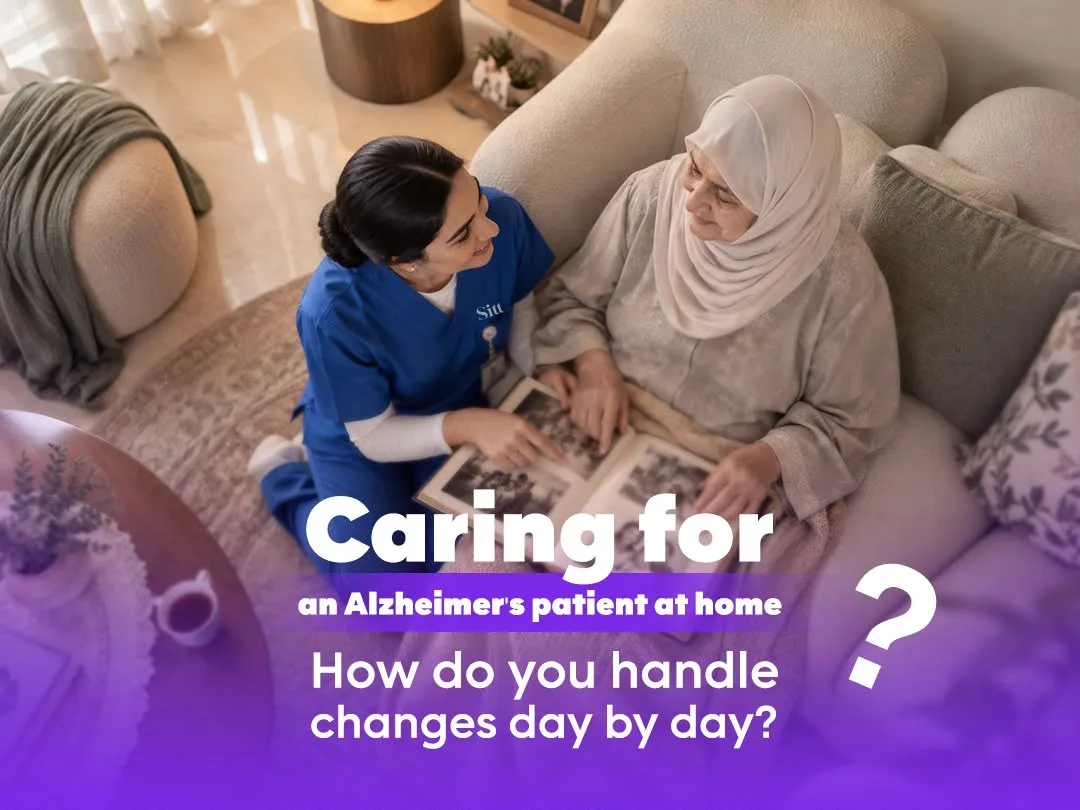
- Alzheimer’s patients need particular patience and an understanding of changes in memory and behaviour — see our guide to Alzheimer’s care at home.
- Parkinson’s patients need a focus on mobility and fall prevention — see our guide to Parkinson’s care at home.
- Stroke patients need close monitoring in the early period, especially with difficulties in movement or speech.
- Bedridden patients need intensive care to prevent bedsores and complications.
- Post-surgery cases need close follow-up during recovery.
Each of these has its own details, and if you’d like to go deeper into a specific condition, we have dedicated articles explaining each one in detail.
Signs your father or mother needs extra care
Many families are late in asking for help because they only notice the changes once they become very obvious. Signs worth paying attention to early:
- Forgetting more often than usual, especially simple everyday things.
- Difficulty moving around, or a clear fear of falling.
- Noticeable neglect of personal hygiene or meals.
- Forgetting medication times, or mixing medications up.
- Changes in mood, withdrawal, or ongoing sadness with no clear reason.
If you notice more than one of these signs, now is the right time to start thinking about extra support — rather than waiting until the situation gets harder.
Caregiver or nurse? The difference that matters
Many families mix the two up, and understanding the difference saves you from the wrong decision:
- A caregiver focuses on daily help: companionship, help with moving and eating, and emotional support. They are qualified to handle general needs, but not medically qualified to carry out complex health procedures.
- A home nurse is medically qualified, and can carry out procedures such as injections, wound care and monitoring vital signs, and handle any health emergency with specialist knowledge.
How do you choose the right caregiver for your parent?
This is one of the most important decisions you will make for your family, so don’t rush it:
- Define the type of need precisely before you start looking — general daily care, or specialised health care.
- Check their actual qualifications, not just the experience listed on their profile.
- Ask how they have handled cases similar to your parent’s specifically.
- Watch the human interaction, not just the technical competence — patience and warmth are a core part of good care.
- Work with a provider that monitors quality continuously, not a one-off contract and that’s it.
The cost of home care for the elderly
The cost varies a great deal depending on the type of care (general daily care or specialised nursing), the number of hours, and the specific health condition. It is always best to ask for a clear assessment of the case before any commitment, so the price is based on an actual need rather than a general estimate.
The decision is yours
Looking after an elderly father or mother is a big responsibility, and asking for help with it is not weakness — it is awareness and genuine care for their comfort. Whether you need simple companionship or specialised health care, what matters most is that you make the decision knowing all the details, not under the pressure of the moment.
With Sitt, we help you assess your parents’ needs properly, and provide qualified caregivers and nurses matched exactly to their condition.
Last updated 24 September 2026
All care guides