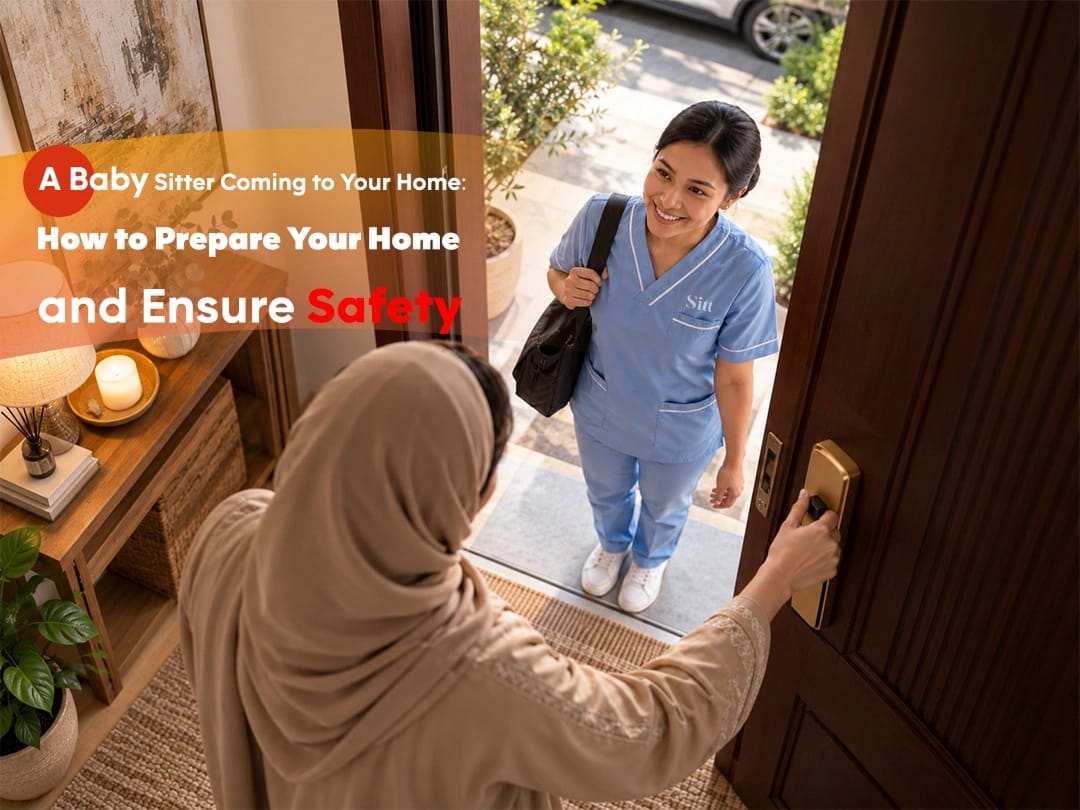
The idea of someone coming into your home to sit with your child, even someone trusted, comes with a natural sense of caution. That’s healthy, not excessive. This guide focuses on one specific thing: how to prepare your home and ensure safety before you agree to any in-home babysitter.
What makes an in-home babysitter different?
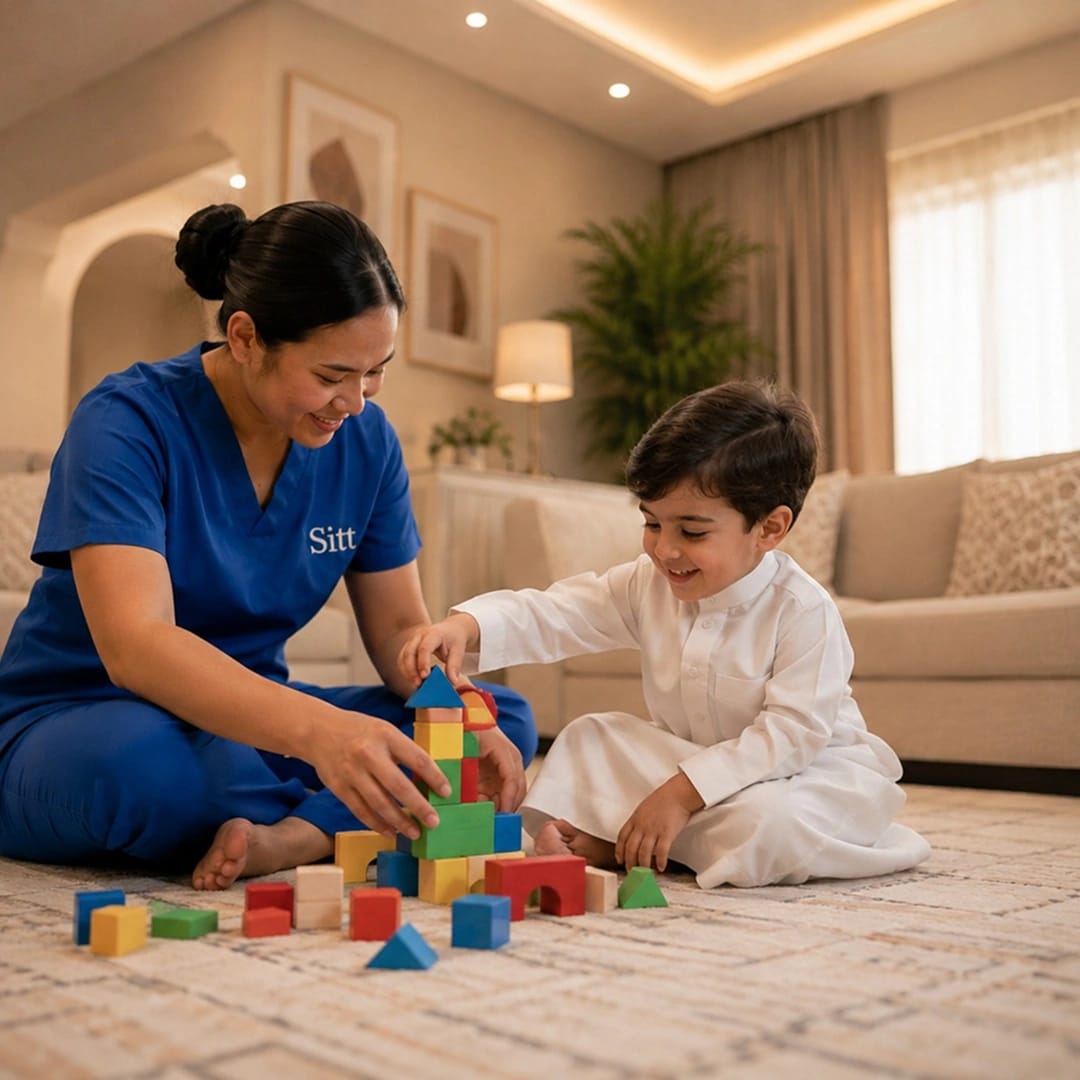
The core idea is that your child stays in their own environment — their bed, their toys, even the familiar smell of home. That reduces stress on them significantly, especially for infants or children who get unsettled quickly by change — the same idea we cover in our complete babysitter guide. But in return, verifying exactly who is about to walk into your home matters more than any other detail.
What to prepare before the sitter arrives
- Set out everything your child needs somewhere clear — formula, diapers, medication if any.
- Write down the day’s routine — feeding and sleep times, even if you think it’s obvious.
- Make emergency numbers clear — yours, your husband’s, the nearest hospital if needed.
- Define which areas are off-limits — especially if certain rooms should stay closed.
Safety questions worth asking before you agree
Before you finalise any in-home sitter, these questions are worth two minutes of your time:
- Has her identity actually been verified, and by whom?
- Does she have prior experience with your child’s age?
- Does she know how to handle a minor emergency if one comes up?
- Is there someone you can go back to if an issue comes up while she’s in your home?
Signs that reassure you a sitter is trustworthy
- She arrives at the agreed time without delay.
- She asks about your child’s details instead of assuming.
- She explains her experience clearly and doesn’t dodge questions.
- She interacts naturally with your child from the first moment, not just waiting for your instructions.
What should you do the first time she arrives?
The best approach is to stay nearby for the first half hour, even if you’re occupied elsewhere in the house. That gives you a chance to see how she handles your child naturally, and reassures your child too that you’re still there while they get to know a new face.
Welcome a trusted in-home babysitter with full confidence
With Sitt, every in-home sitter who reaches you is identity-verified and trained, and our team stays in touch with you even after the first visit so you can feel completely at ease.
Last updated 4 September 2026
All care guides